
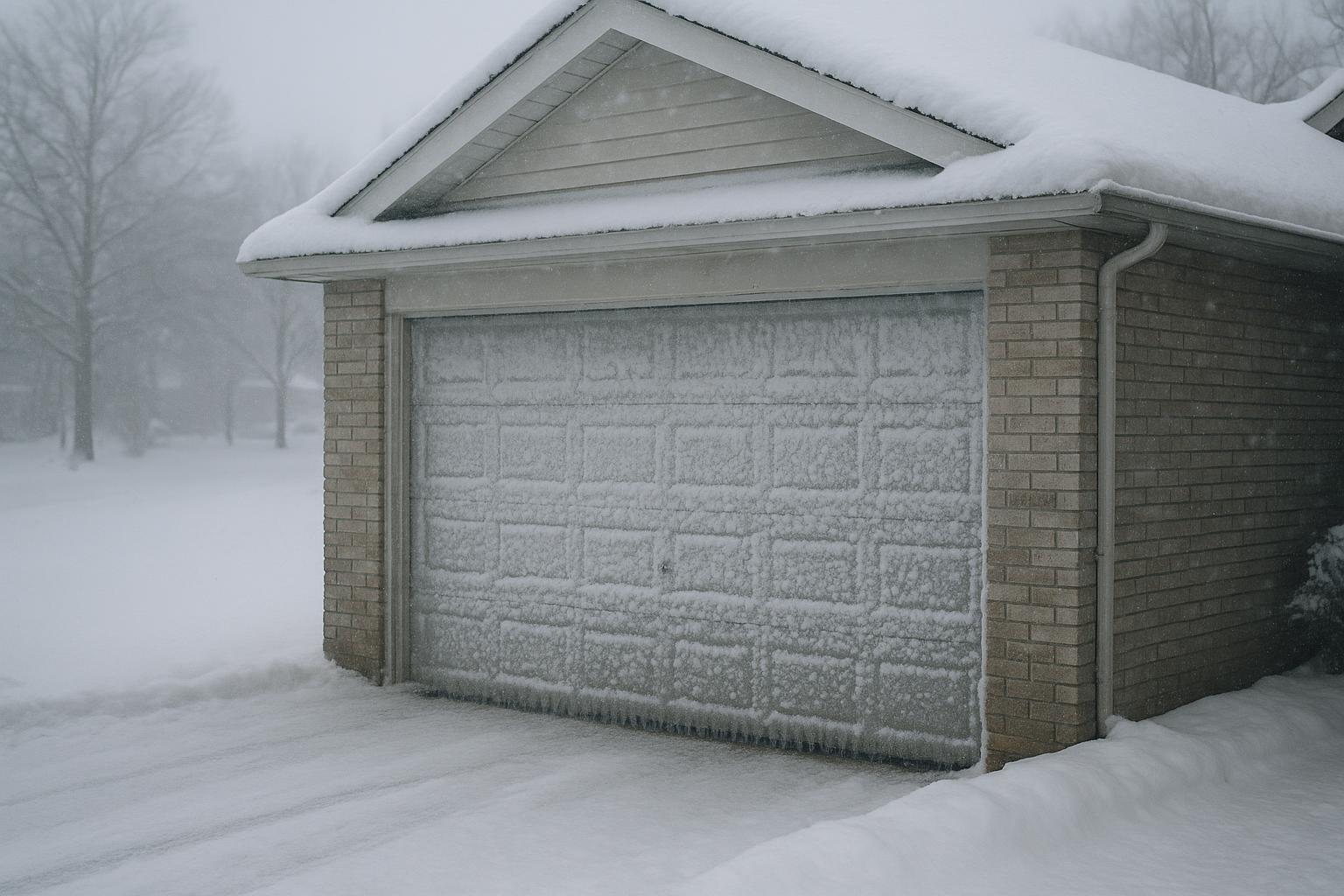
Winter in Buffalo Is Tough on Garage Doors
If you've lived in Buffalo for any length of time, you know our winters don't mess around. Between lake-effect snow, ice storms, and stretches of sub-zero wind chills, everything in and around your home takes a beating — and your garage door is no exception.
Your garage door is the largest moving part of your home. It's also one of the most exposed to the elements. When temperatures plummet and snow piles up, a number of things can go wrong. The good news is that most cold-weather garage door problems are preventable with a little knowledge and regular maintenance.
Here's a look at the most common ways Buffalo winters affect your garage door and what you can do about each one.
Frozen Garage Door Seals
One of the most common winter complaints we hear from homeowners across Buffalo is that their garage door is stuck to the ground. This happens when moisture collects along the bottom weatherstrip seal and freezes overnight, essentially gluing the door to the concrete floor.
If this happens to you, do not keep hitting the opener button. Forcing the door open can strip the gears in your opener, damage the bottom panel, or tear the weatherstrip right off the door.
What to Do
- Use a heat gun or hair dryer along the bottom edge to gently melt the ice.
- Carefully tap along the seal with a flat tool like a putty knife to break the bond.
- Once free, clear away any standing water or snow from the base of the door.
- Apply a thin layer of silicone-based lubricant to the bottom seal to help prevent future freezing.
Contracting Metal Parts
Metal contracts when it gets cold — that's basic physics. Your garage door system is full of metal components: springs, tracks, rollers, hinges, and cables. When Buffalo temperatures drop into the single digits or below zero, all of these parts shrink slightly. This can cause the door to feel sluggish, bind in the tracks, or make unusual popping and creaking noises.
Torsion springs are especially vulnerable. Cold metal becomes more brittle, and springs that are already worn or near the end of their lifespan are far more likely to snap during a cold snap. A broken spring in the middle of January is not only inconvenient — it can leave your home exposed to the elements and compromise your security.
What to Do
- Have your springs inspected before winter arrives. If they're showing signs of wear, replacing them proactively is far better than dealing with an emergency breakdown.
- Lubricate all metal-to-metal contact points with a garage door-specific lubricant. Avoid WD-40, which can actually attract dirt and grime over time.
Opener Struggles in Extreme Cold
Your garage door opener has to work harder when conditions are cold. Thickened grease in the drive mechanism, contracted springs adding more resistance, and cold motor components all contribute to a sluggish or unresponsive opener.
In some cases, the opener may not have enough power to lift the door at all, especially if it's an older model. You might notice the motor running but the door barely moving, or the opener giving up entirely and flashing an error light.
What to Do
- If your opener is more than 10-15 years old and struggling in winter, it may be time for an upgrade. Newer models are more powerful and energy-efficient.
- Check your opener's force settings. Sometimes a minor adjustment is all it takes, but this should be done carefully to avoid safety issues.
- Keep the garage itself as warm as possible. Even a small amount of insulation can make a noticeable difference in how your door and opener perform.
Warped or Cracked Panels
Repeated freeze-thaw cycles can do a number on garage door panels, especially older wooden doors. Wood absorbs moisture, which expands when it freezes and contracts when it thaws. Over time, this cycle leads to warping, cracking, and peeling paint. Even steel doors with minimal insulation can develop dents and stress points when ice builds up against them.
Damaged panels aren't just an eyesore. Gaps and cracks let cold air, moisture, and even pests into your garage, driving up your heating costs and potentially causing damage to anything you store inside.
What to Do
- Inspect your door panels each fall for signs of damage, peeling paint, or soft spots in wood.
- Repaint or reseal wooden doors before winter to create a moisture barrier.
- If panels are already warped or cracked, consider replacing them individually or upgrading to an insulated steel door that can better handle Buffalo's climate.
Snow and Ice Buildup in the Tracks
When snow blows into your garage or melts and refreezes near the door opening, ice can accumulate inside the tracks. Even a small amount of ice or debris in the tracks can prevent the rollers from moving smoothly, causing the door to jerk, stick, or go off track entirely.
What to Do
- Regularly clear snow and ice from around the garage door opening and inside the tracks.
- Wipe down the tracks with a clean cloth periodically throughout the winter.
- Make sure the area just outside your garage door is graded so water drains away from the opening rather than pooling near it.
The Best Defense: A Pre-Winter Maintenance Checkup
Most of the problems listed above can be caught early or prevented entirely with a professional maintenance visit before winter sets in. A thorough inspection covers your springs, cables, rollers, tracks, weatherstripping, opener, and panels — everything that's vulnerable to cold-weather damage.
At Buffalo Garage Door Service, we recommend scheduling a maintenance checkup in late fall. We'll identify worn parts, lubricate everything that needs it, adjust spring tension, and make sure your door is ready to handle whatever winter throws at it. It's a small investment that can save you from a costly emergency repair in the dead of winter.
Don't Wait for a Breakdown
A garage door that fails in July is an inconvenience. A garage door that fails in January in Buffalo is a real problem. Your garage helps insulate your home, protects your vehicles, and keeps your family safe. Taking a few preventive steps now can save you a lot of headaches — and a lot of cold air in your living space — later.
If your garage door is already showing signs of winter wear, or if you'd like to schedule a maintenance visit before the next storm rolls through, give us a call. Buffalo Garage Door Service is here for homeowners and businesses across Buffalo, Cheektowaga, West Seneca, Orchard Park, and the surrounding areas. We show up on time, diagnose the problem honestly, and get your door working the way it should.